
Fuel Tank Truck Material Guide: Carbon Steel vs Aluminum vs Stainless Steel
Five categories of special commercial vehicles — every chassis configurable for your route, payload and regulatory environment.
1. Material Breakdown & Core Attributes
Carbon Steel (Q235B / Q345B)
Pros: Exceptional structural strength, high impact resistance, and low initial cost (CapEx)
. Easy to repair locally with standard welding . Cons: Heavier tare weight reduces legal fuel payload on regulated highways
. Requires anti-corrosion lining for refined fuels . Best For: Heavy-duty off-road transport, mining, and budget-focused fleets
.
Aluminum Alloy (5083-H111 / 5454-H32)
Pros: 30%–35% lighter than carbon steel, maximizing legal payload capacity per trip and cutting fuel consumption on return runs
. Highly corrosion-resistant . Cons: Higher initial acquisition cost; requires specialized TIG/MIG aluminum welding for repairs
. Best For: Long-haul highway transport in markets with strict axle-weight regulations
.
Stainless Steel (304 / 316L)
Pros: Absolute chemical immunity with zero fuel contamination risk
. Cons: Highest material density and capital investment
. Best For: Jet A-1 aviation fuel, biofuels, ethanol, and high-purity chemicals
.
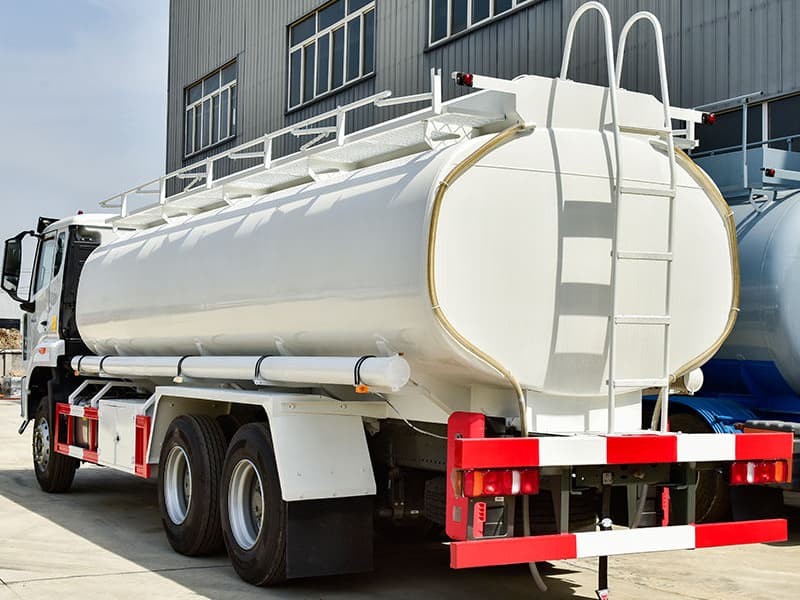
2. Quick Selection Matrix
3. Procurement Considerations
Axle-Limit Compliance: Choose aluminum tankers for markets with strict Gross Vehicle Weight (GVW) regulations to maximize revenue per trip
. Infrastructure Alignment: Select carbon steel for rough, unpaved routes to withstand frame flexing without shell cracking
. Maintenance Readiness: Confirm local workshops have the equipment and skill sets required for your chosen alloy (e.g., aluminum welding)
.
Request Customized Tanker Specifications
Need specific drawings or payload calculations for your regional market? Contact our technical export specialists today for custom configurations and FOB/CIF quotations.
—— Request a Quote
Get a tailored quotation from ZW Group.
Tell us your requirements — we respond with pricing, specifications, and solutions.
Please give us a message